When did life stop imitating art?: A week in England
Nothing is more humbling than the photo taken at the airport going through Customs.
After hours of flying in an upright position, the grainy cameras don’t do anything to even out the unglamorousness of traveling in “basic economy.”
Still, the slog is worth the grueling experience because travel always promises splendor, as a springtime trip to England did.
THE SPRINGTIME LONDON LOOK: 1. Jeans + tee 2. Blazer and/or trench 3. White sneakers
*leave your shorts at home, you won’t need them.
In the old world, you don’t have to be an “artsy” person to appreciate art, but the less inclined may miss the artistry that we encounter every day.
Take my bottle of contact solution, for example. It was confiscated at Heathrow on my way out of England. Save for my Stonehenge hat, I didn’t have any other souvenirs. Somehow, this contact solution felt like one. Like biscuits or lollies, it’s not something I had picked up in US stores.
What made it so special? How it was designed.
Design Week in Clerkenwell
In May, the Clerkenwell district in London transforms into an international meeting of tastemakers. We’re not talking London Fashion Week, but Clerkenwell Design Week.
Galleries pop up, designers dress their trendiest, and pubs burst at the seams with people less interested in the sights and more interested in…
DE·SIGN (noun) a plan or drawing produced to show the look and function or workings of a building, garment, or other object before it is built or made.
Oxford dictionary
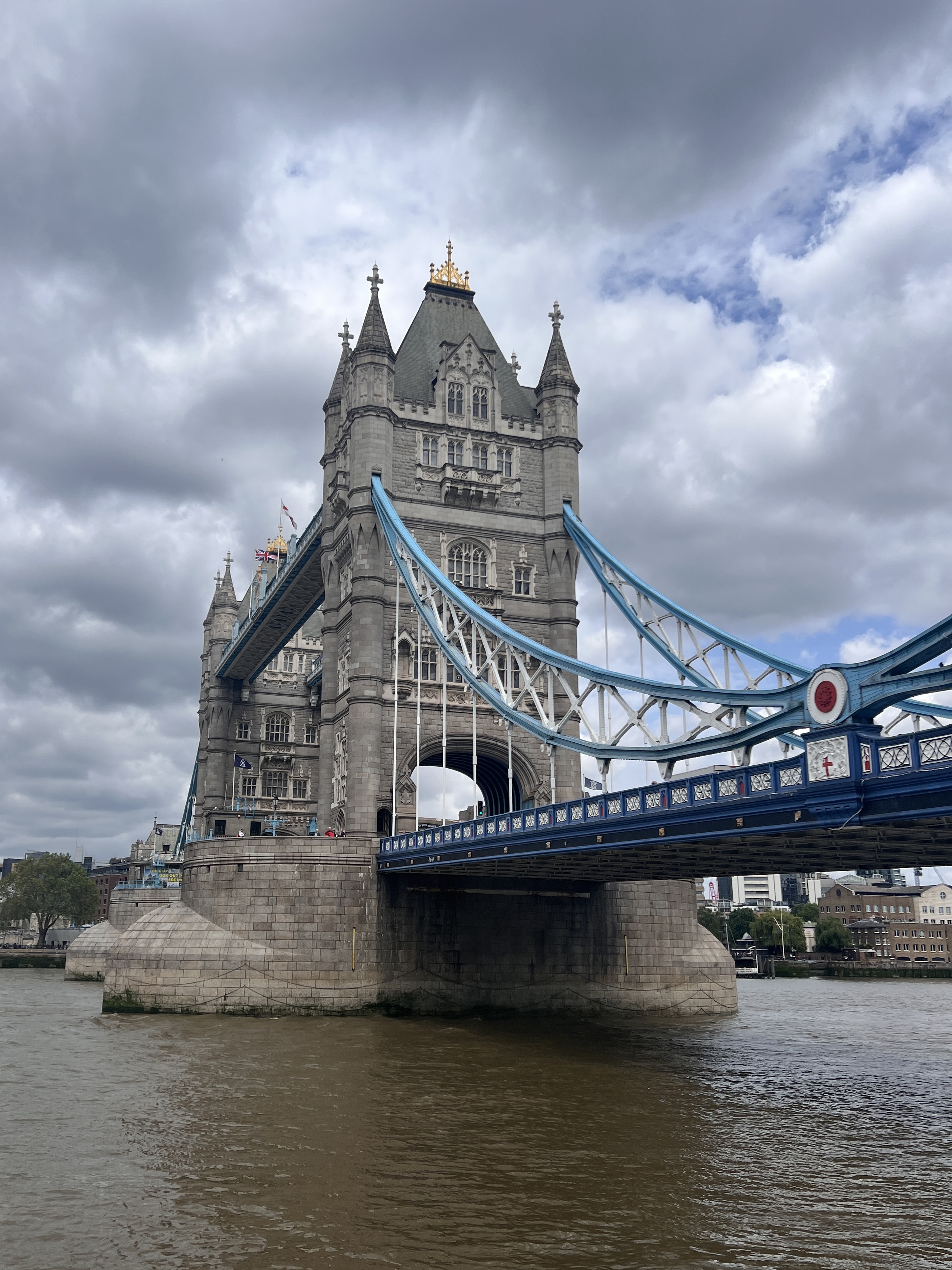
Well, put it this way: one pair of well-dressed women stopped to gawk at a window display of kitchen faucets. Their pink lanyards around their necks confirmed their attendance at the design conference. In the shadow of buildings like Big Ben and Tower Bridge, this was their attention-grabber.
It’s a good mindset to adopt while traveling. Do as the designers do and you begin to see the world a bit differently. Keep that in mind and all of a sudden, everything dazzles.
It’s Rarely Sunny in London
Aside from an appreciation for modern plumbing, ancient artistry runs deep in the old world. The city of London is practically an ancient artifact itself.
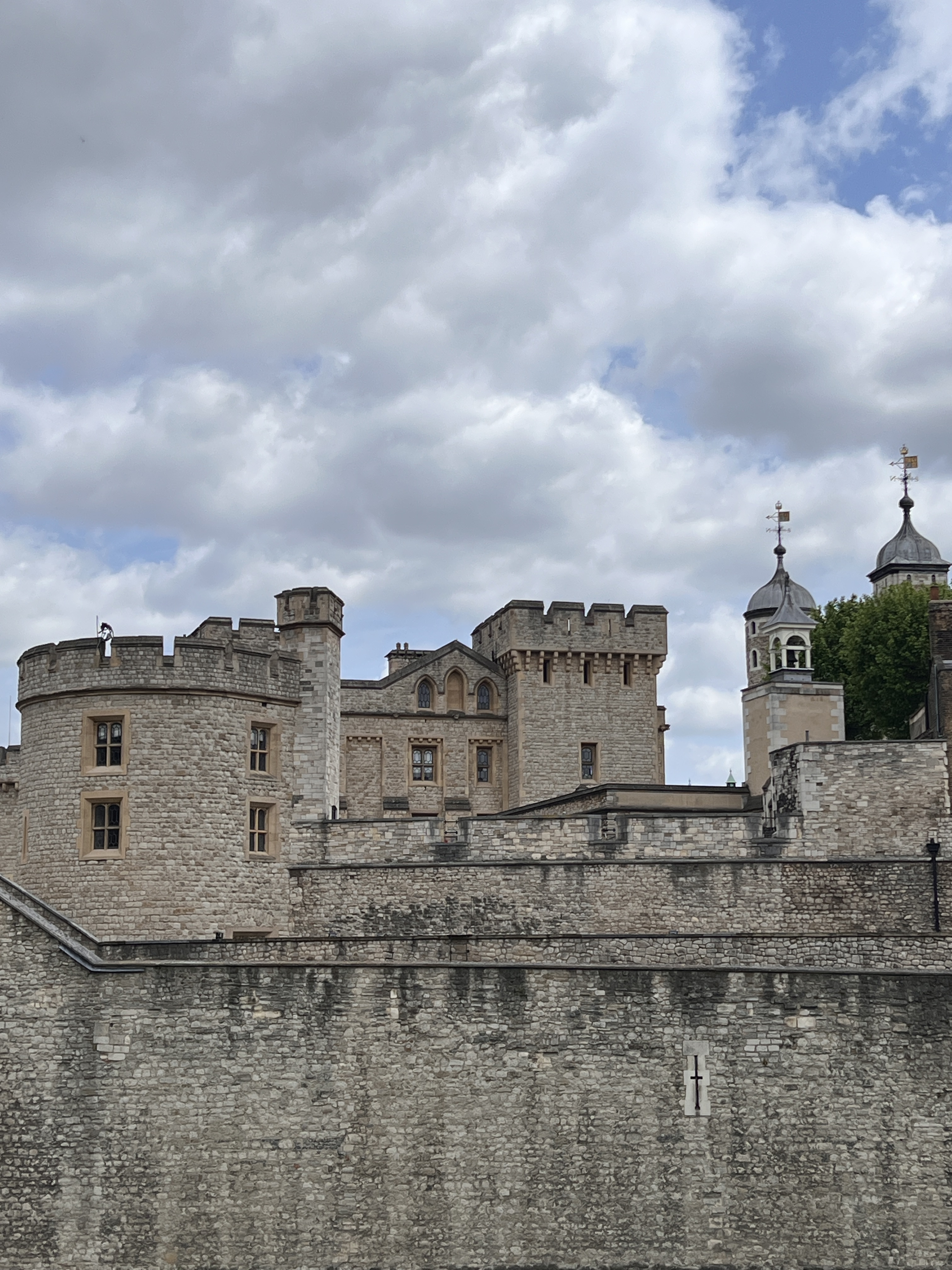
From dragons on street corners to towering monoliths of their centuries-old monarchy, it’s a beautiful city made even prettier by irregularly sunny weather.
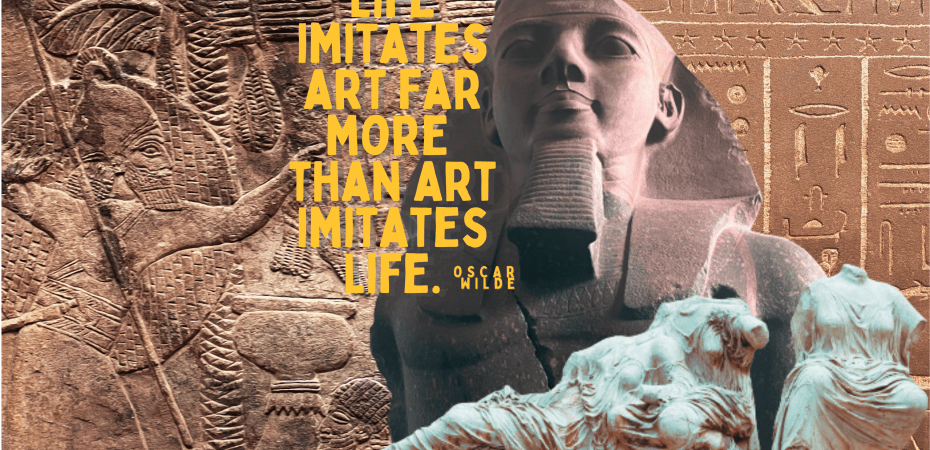
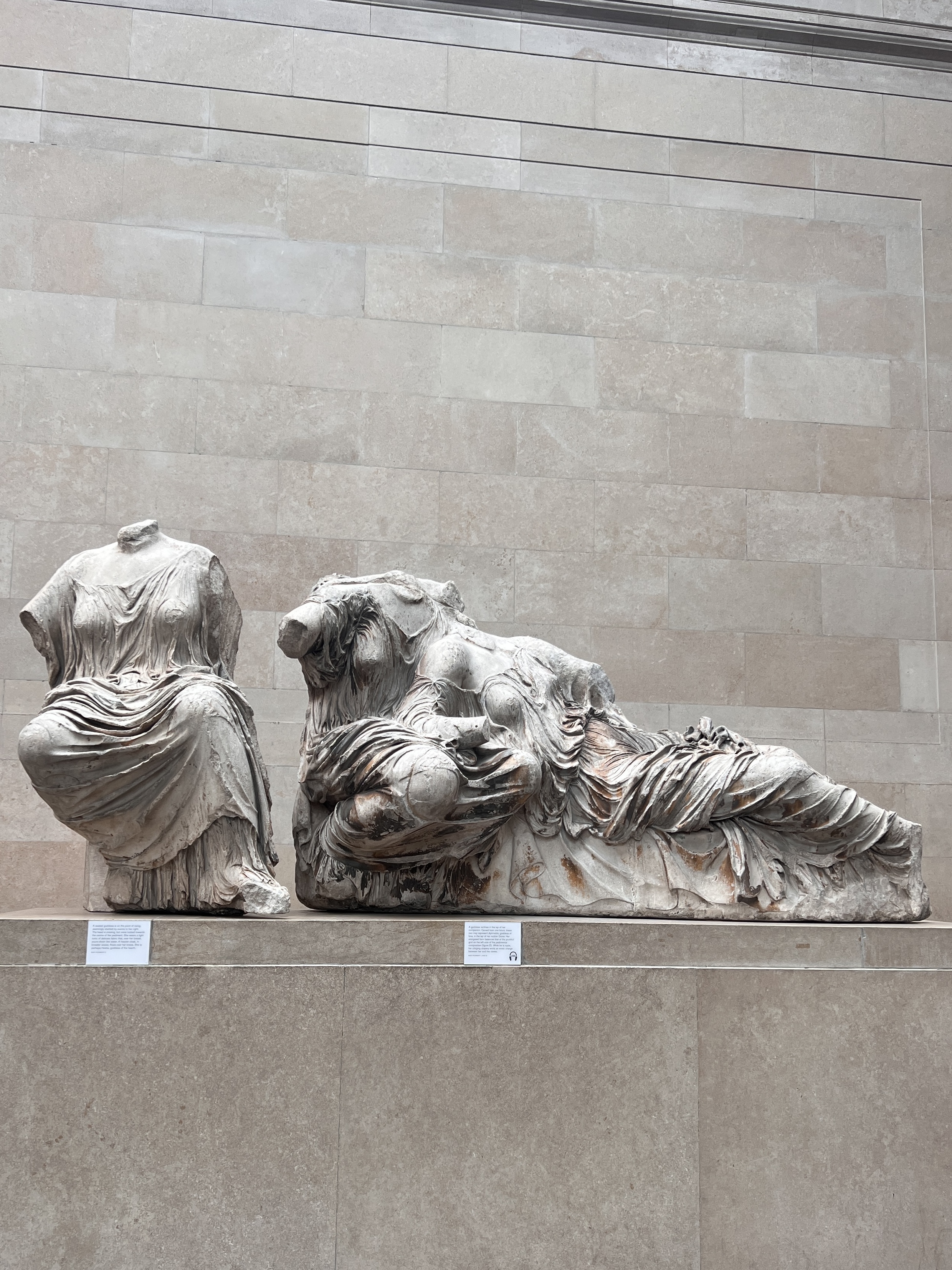
Rain or shine, the British Museum is a must-see. It’s an assortment of exotic artifacts the monarchy has seized from around the world throughout the ages. Despite the inherent villainy, it’s quite an impressive collection.
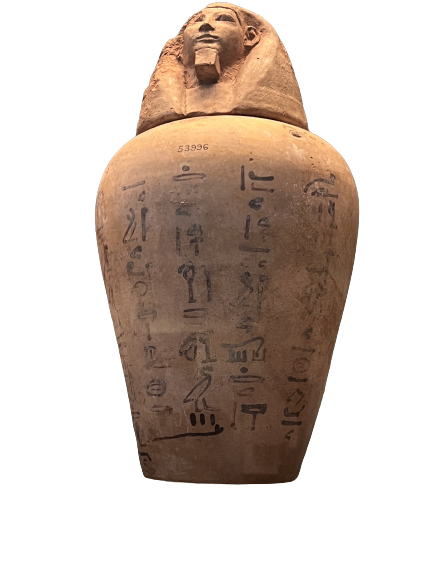
Mummies and canopic jars intact; the human form and natural textile carved from stone; realistic scenes of battle immortalized in reliefs. Ancient jewelry, coins, and weaponry; busts of famous men; the secrets to the basis of our language; rudimentary clocks and exquisite chess sets…
Hours pass in a flurry at the British Museum where art and culture from nearly every corner of the world can be learned and examined.
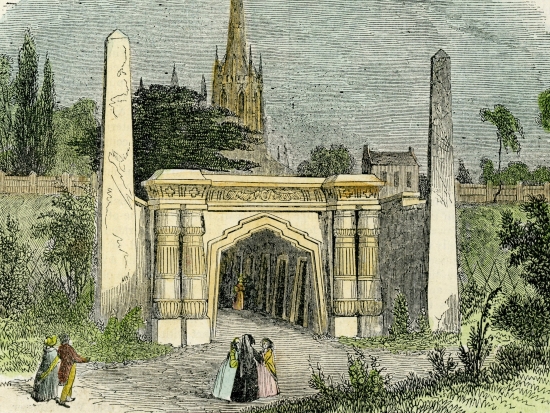
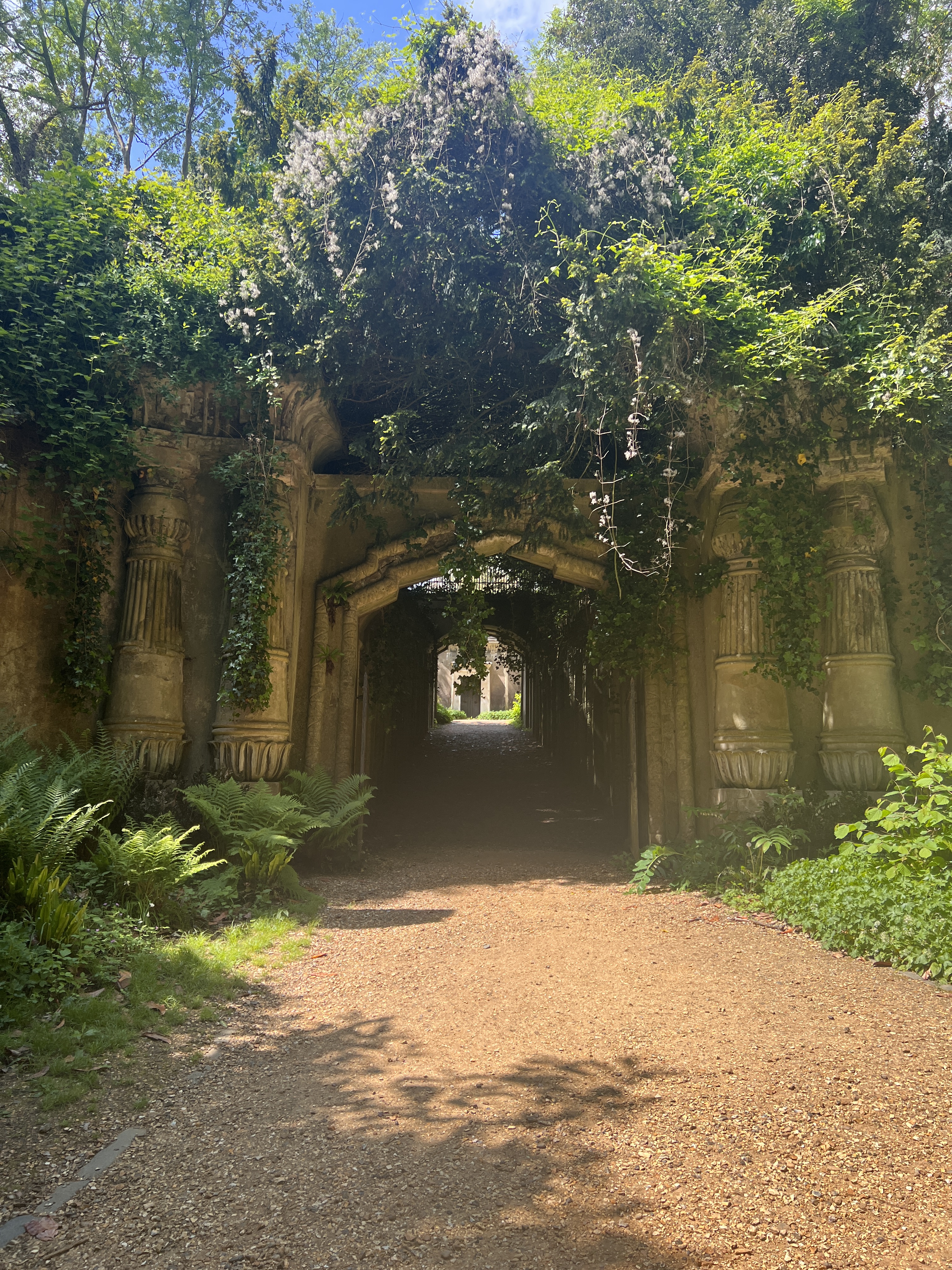
The English culture was especially fascinated by what they unearthed in Egypt. They used this as inspiration at Highgate Cemetery.
This massive cemetery in London has a west side, known for its impressive mausoleums, and an east known for Karl Marx.
“The Egyptian Avenue” in the west is probably the shining star of the cemetery. The overgrowth drapes over a corridor of concealed corpses in a way that could never happen in the sands of the Sahara. Egyptian crafting and English gardening masterfully meld for this impressive monument to loved ones.
The east side of the cemetery is often considered “less remarkable,” but such is not the case on a sunny spring day. By and large, tombstones were smaller, more traditional, and rounded in that recognizable way. They glittered in the sunspots filtered through the leaves and offered a playground to birds, cats, and me.
Komorebi (Japanese)- the scattered light that filters through when sunlight shines through trees.
Hours passed here, too, in an instance of pure and natural English beauty.
Gardens Galore
If London is a museum trove, then the outskirts are the estate. Take a relaxing train ride out of the city and the green begins to roll. And then, the medieval flair emerges.
Salisbury, a medieval work of art
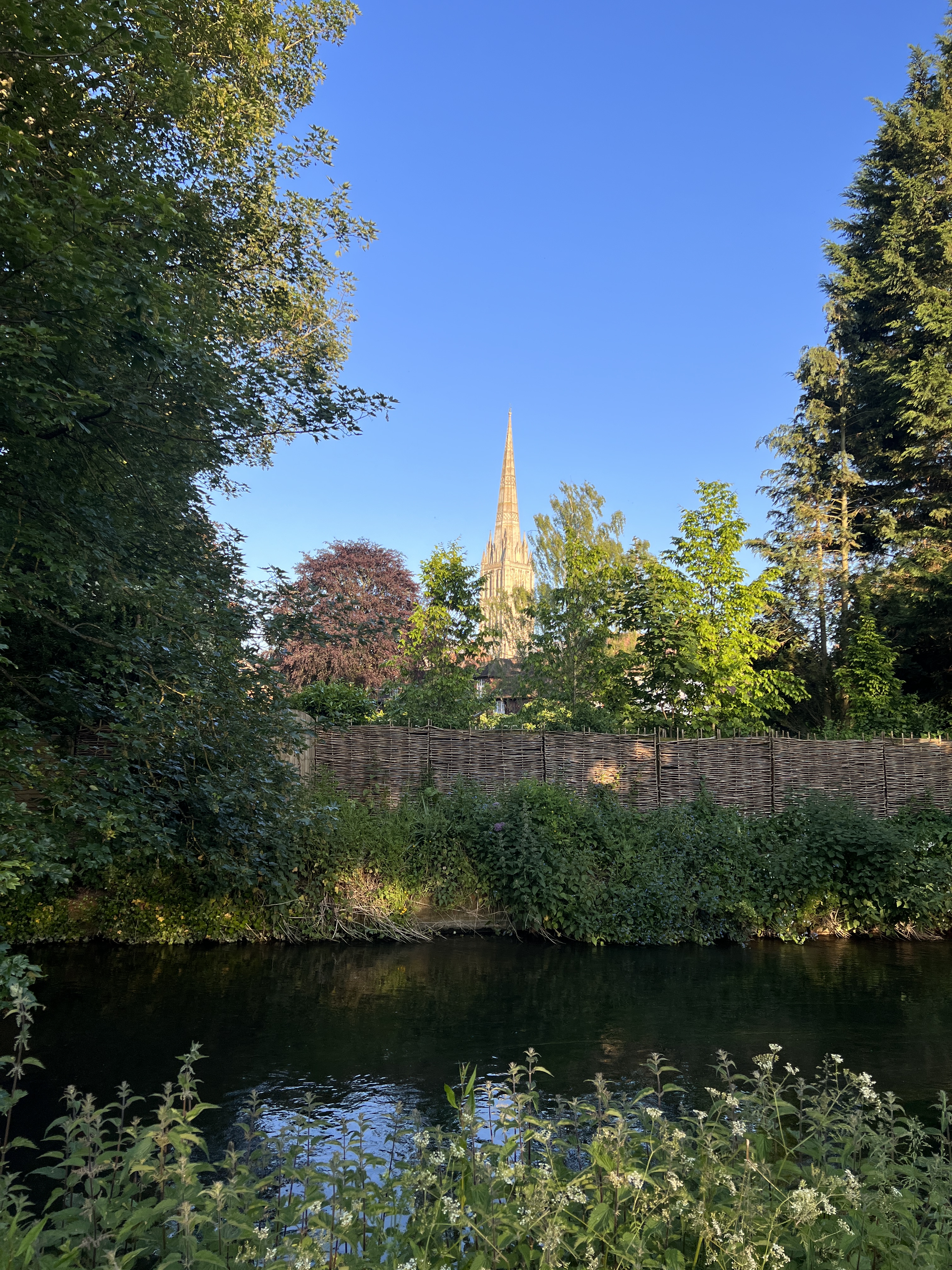
Salisbury, England sits about two hours by train from London. Renowned for its steak cathedral–it is also a conveniently short bus journey to the legendary Stonehenge.
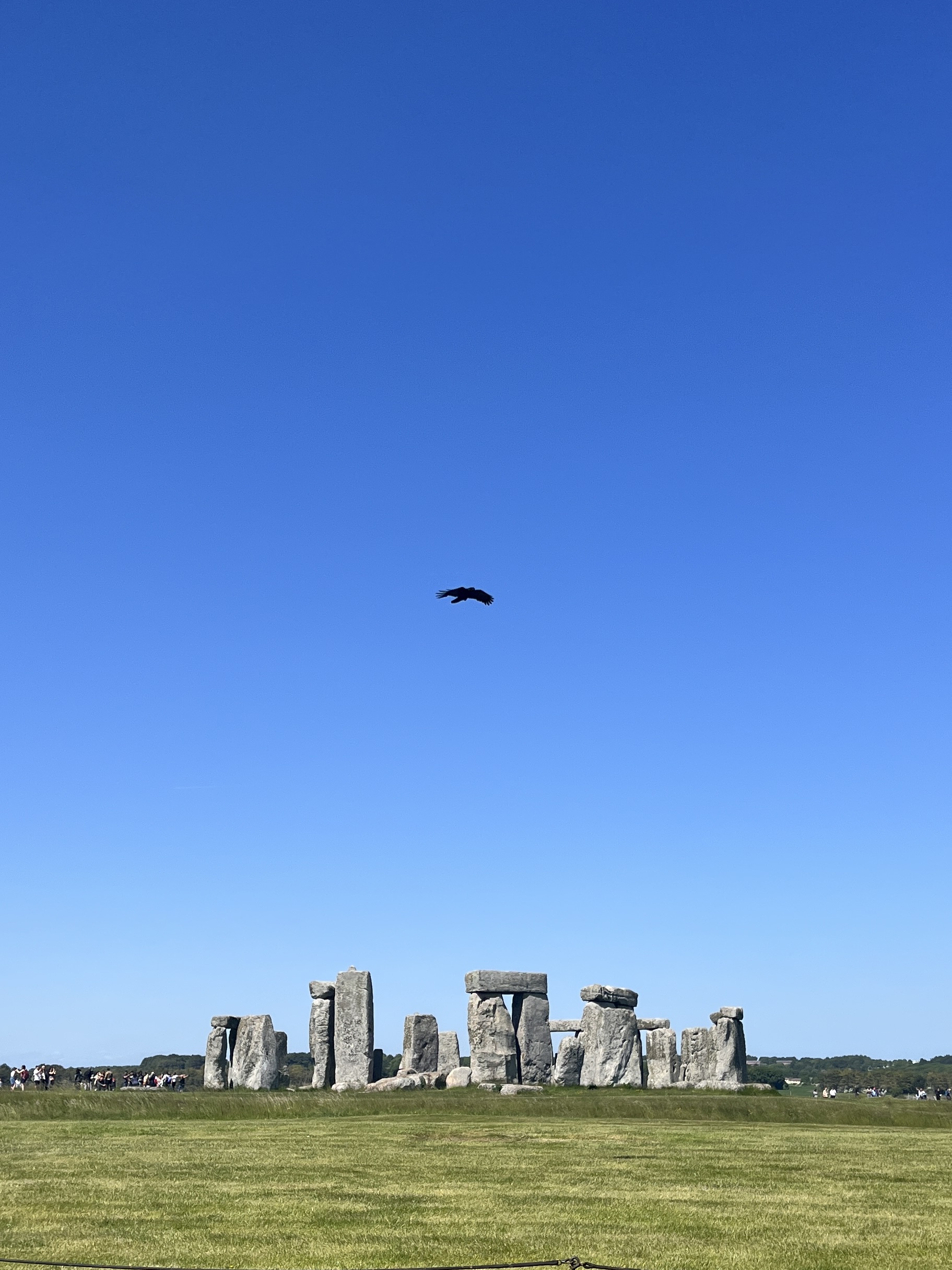
What makes Stonehenge so sexy is its intrigue. The 30-ton stones were not only arranged by people without power tools, but imported from over 200 miles away. The Stones also align with the setting of the sun on the equinox and solstice–a ritual custom remarkably shared by ancient cultures across the world.
Plenty of people point to extraterrestrial assistance for this feat.
translation: aliens.
Why they would go through all that effort is still a mystery. What is certain is something important went on at this ancient site. Considering the snaking queues of tourists waiting to get bussed there and back, it still does.
I asked the little British boy on the bus next to me what he thought about the excursion.
“It was pretty cool,” he told me, “just the stones though.”
The tour also put emphasis on the burial mounds that dot the landscape, which were, as the young lad suggested, pretty visually unimpressive. Underneath them is a different story.
When these mounds were excavated, so were further relics of the past. Much like the ancient Egyptians did, it seems the dead were sent to the afterlife strapped with daggers and dripping in jewels.
Even though a highway drives right alongside Stonehenge’s field, the place still has a hallowed feel to it. Just a bunch of stones it may be, it points to the unshakeable urge of humankind to gather, worship, and make pretty things that are hard to part with even in death.
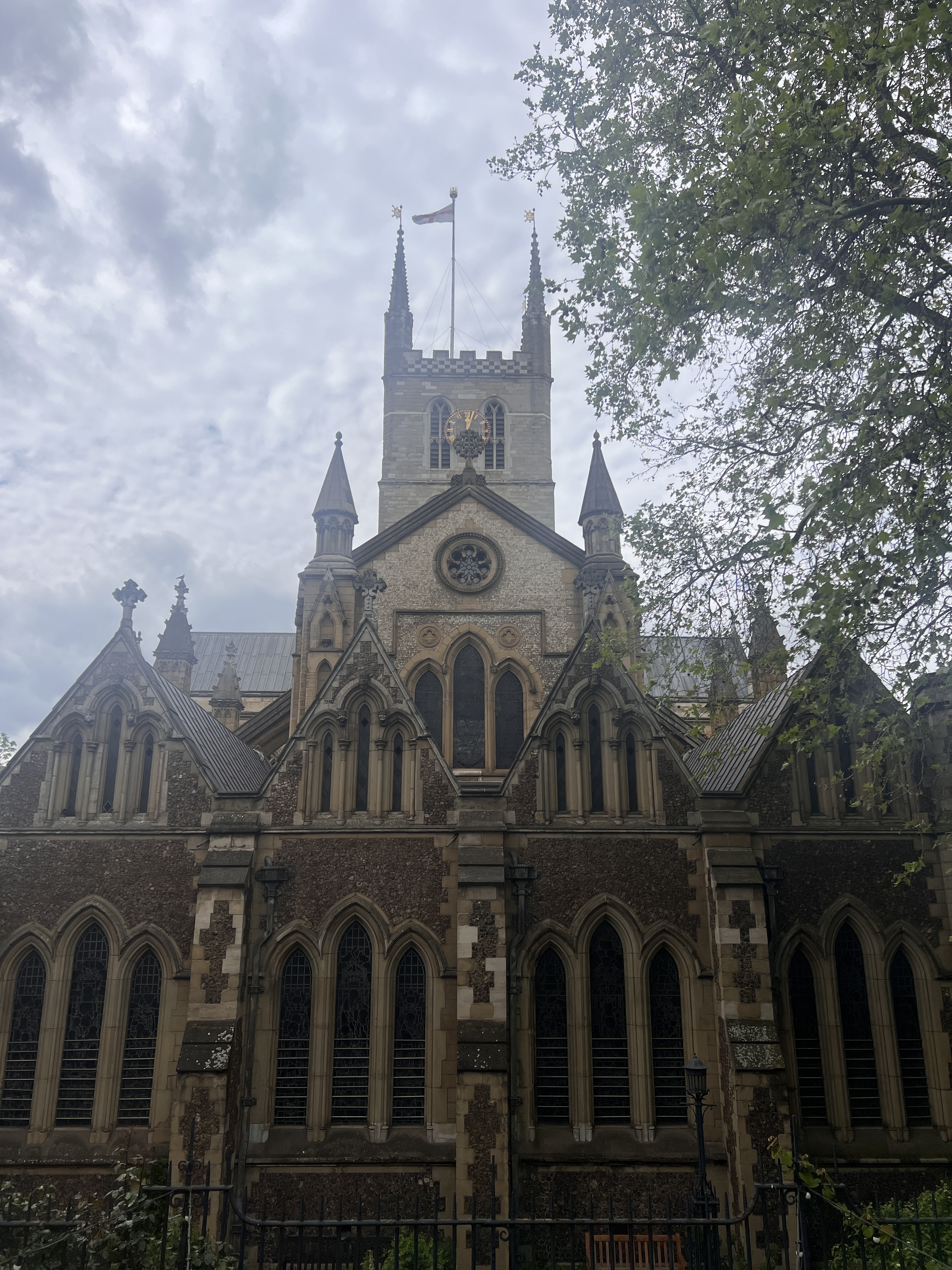
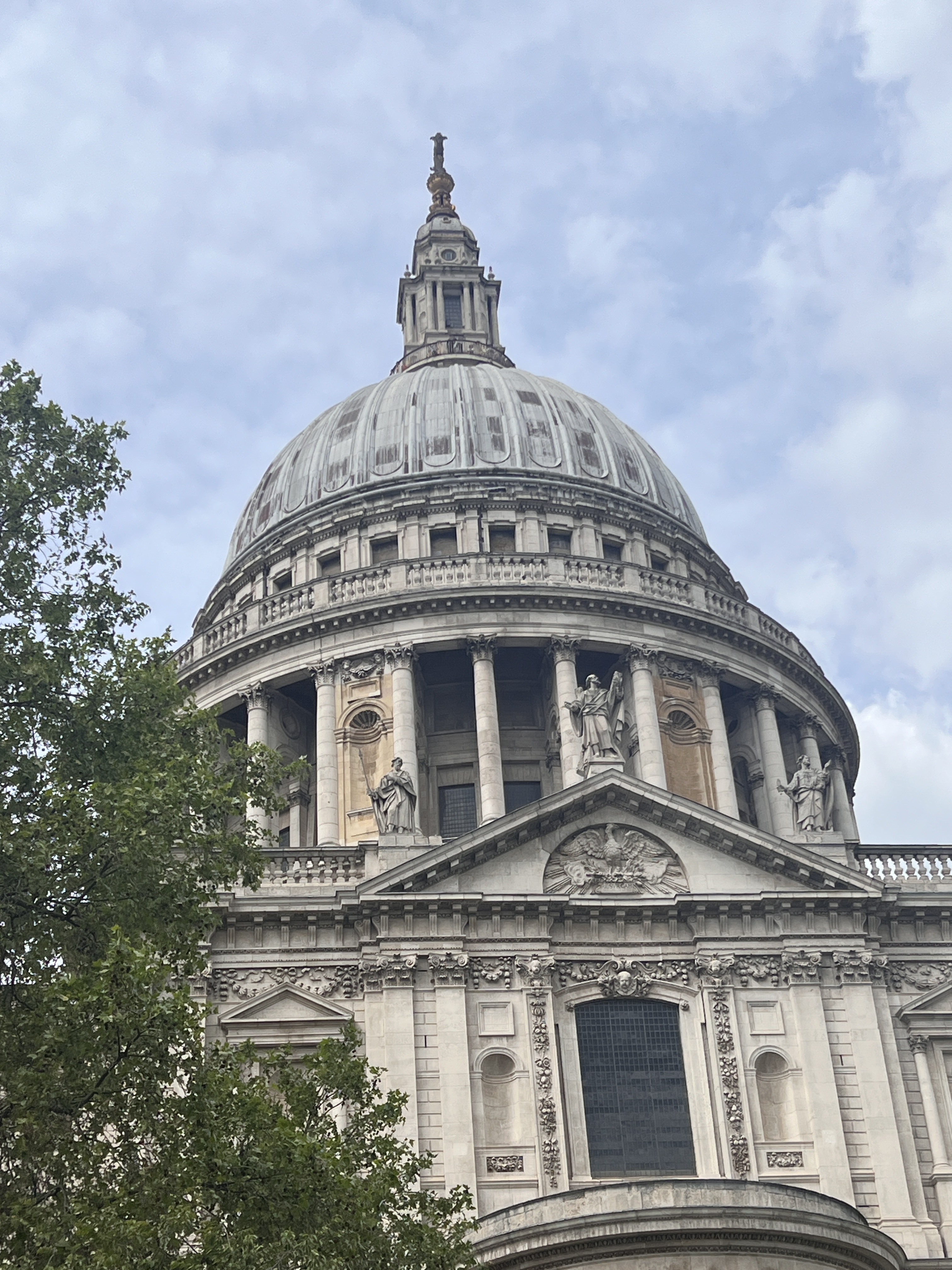
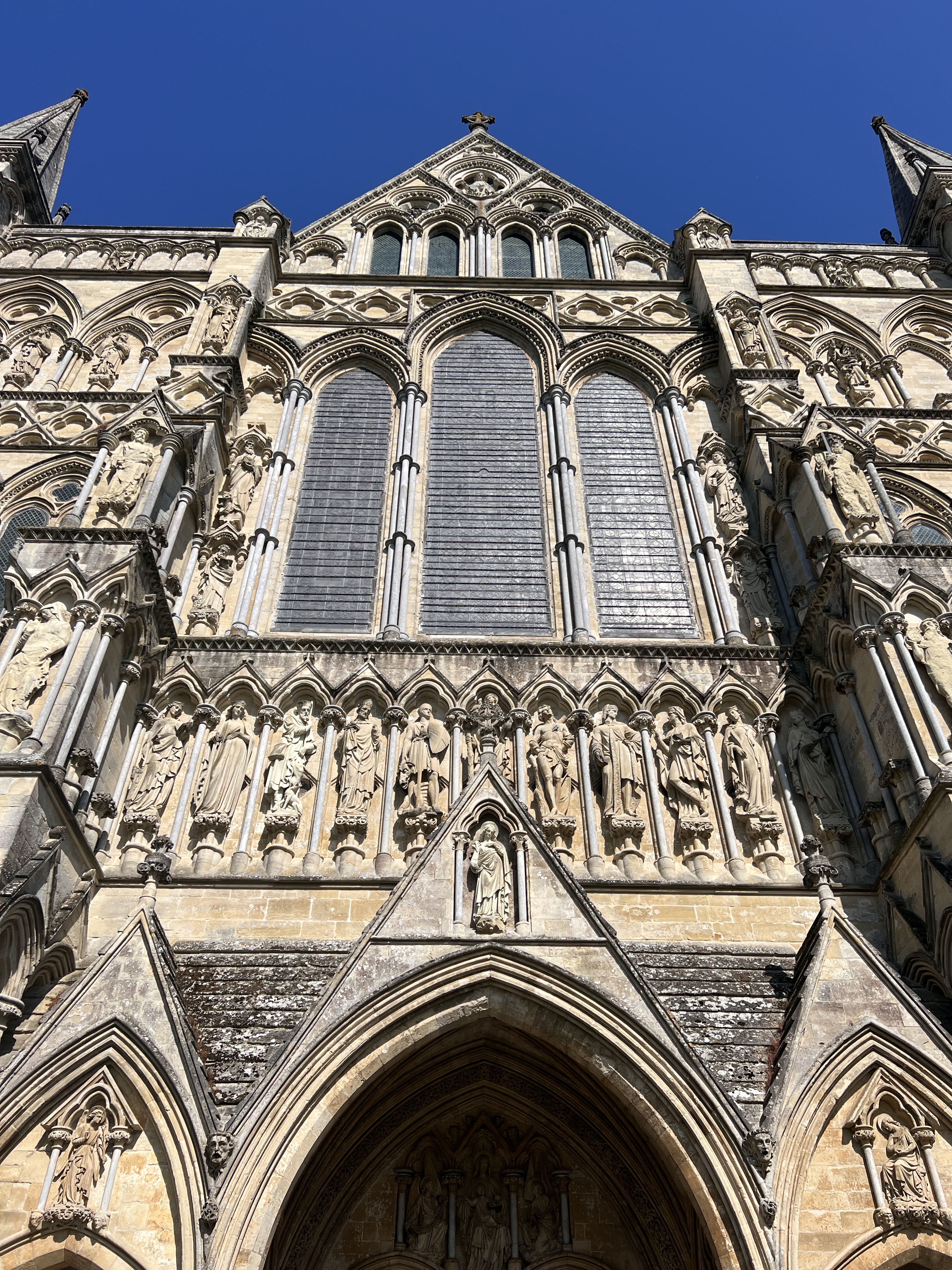
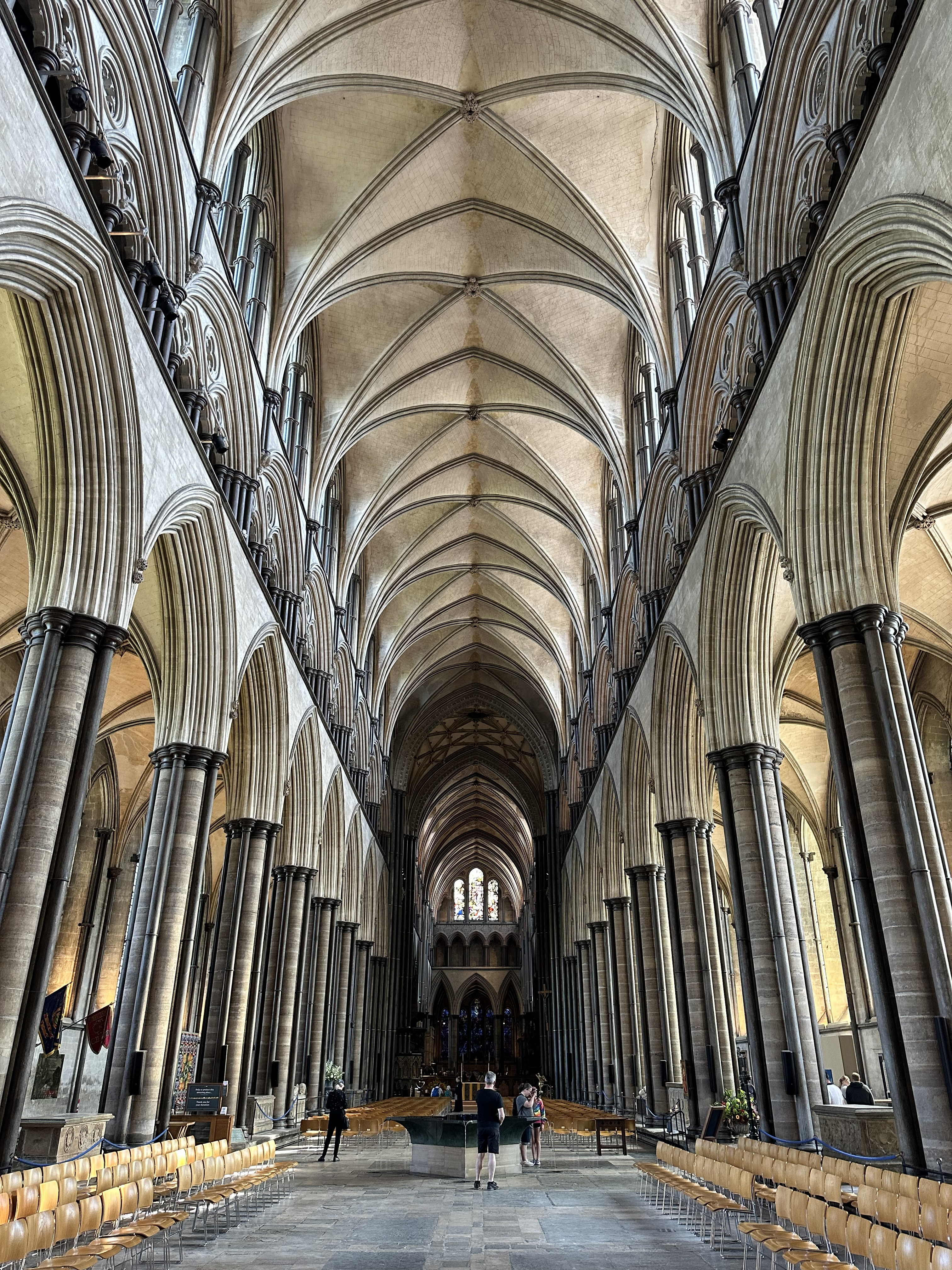
More modern and recognizable worship practices were on display at Salisbury Cathedral. This Gothic cathedral was built in 1220 and every inch of it remains undeniably magnificent.
Centuries-old knights are buried under detailed carvings of their bodies at rest in full armor, but plenty was alive still in this unquestionable masterpiece of pure English heritage. This includes the Catholic school kids who flock to the lawn after school, chillin’ on the lawn outside in their uniforms.
Though the cathedral’s ornate architecture is mirrored in holy places all over the world, there are a few artifacts that are unique to this specific place.
Long relegated to the attic, the world’s oldest known functioning clock is on display as is one of four remaining copies of the original Magna Carta written in short-handed Latin on lambskin.
Dadaism 2.0
When you explore all the artifacts of our past, and consider modern AI, it could be interpreted that art has widely diminished to frivolity and excess.
On the other hand, it could also be argued that art has evolved to work with less.
The contact solution that was confiscated was notable because it was functional. The case for the contacts snapped right into a socket on the back of the solution bottle, making one streamlined product.
If Dadaism can make a toilet museum-worthy, I see no reason why Waitrose (US translation: Walgreen’s) aisles can’t function as toiletry showrooms.
In some ways it seems, much of the style of the modern world has succumbed to minimalism; at worst, it’s devoted only to utility. Our clock faces are now digitized; we skip solstice and equinox rituals.
But has modernity scrubbed art away or is the very act of getting to the critical heart of things that art inherently seeks to do?
Art is how we live.
London’s Clerkenwell Design week was a reminder that art is pervasive in our worlds and in our souls. What we wear is designed, how we eat is designed. Our faucets and contact solution; what we plant in our garden and drink from our cups.
The look and function are the design. What we do with it is art.
Now I’m back in America where my contact case sits beside a bottle; two disappointingly separate entities. I use them to look out the window at my woodland wonderland.
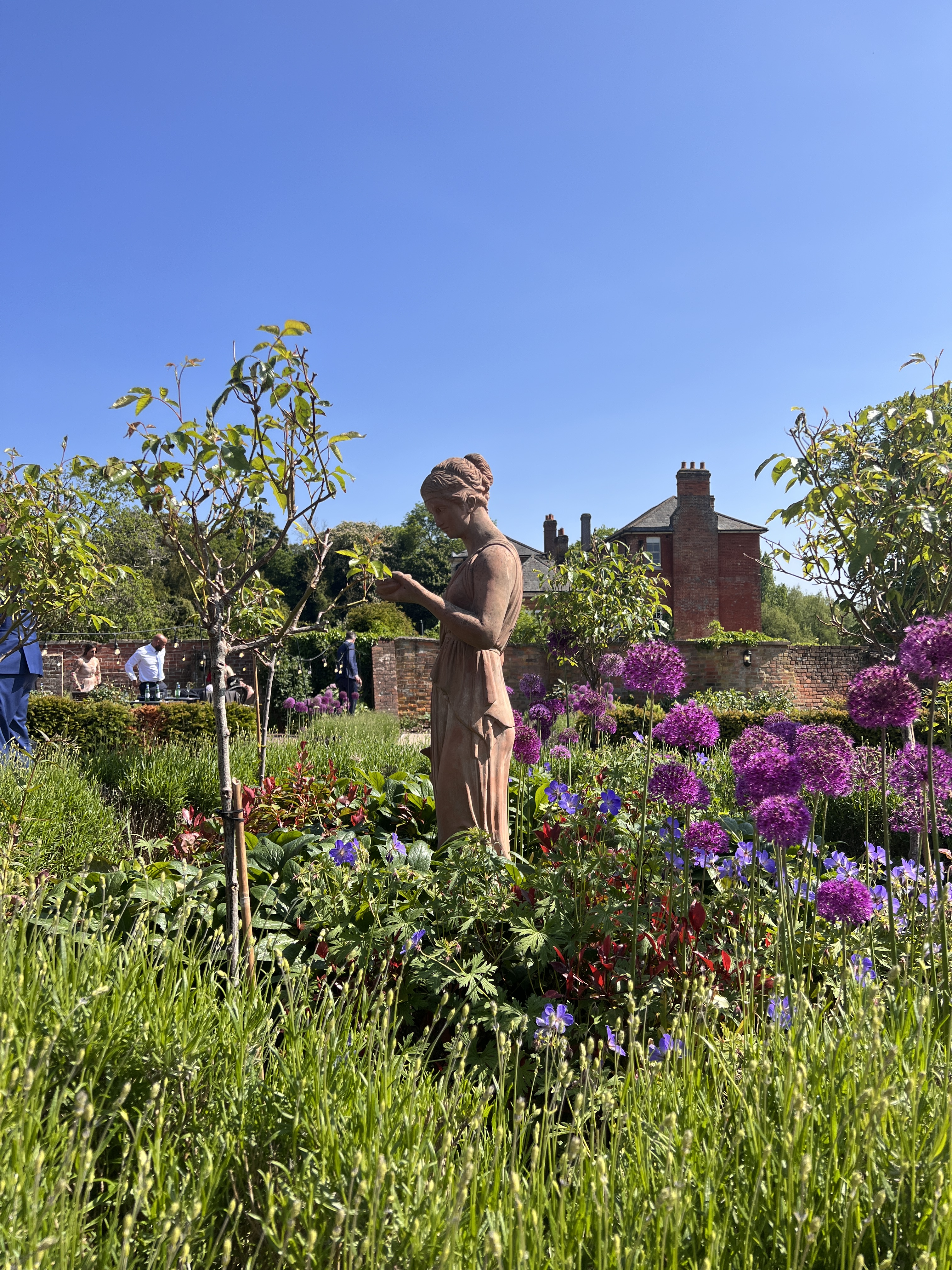
My garden, so far, is bare-dirt earth; a canvas to paint with the essence of mother nature, as well as to invite wildlife and repel pests. Beauty and utility as one. The hallowed ground on which to build something that can echo on.



 tarazine
[…] similar phenomenon happens at Stonehenge. There are many mysteries about this ancient site, with the only clue to its origins or uses being […]
As usual, you always manage to transport me to your amazing adventures. Loved your summary of your travel to London. Keep them coming.
❤
BTW, the pictures are amazing!
[…] the past is a different sort of cerebral adventure. It’s more psychedelic to read history–arts! culture!–with its intrigue and […]
[…] the Etruscan stand out because they also noted true daily life through their art. They opted for “vivid colors and vitality” over “d*ck […]